Home >> Books >> Book Club Questions >> 11 Great Normal People Book Club Questions
11 Great Normal People Book Club Questions
Published on 26th May 2026 | Updated on 18th August 2026
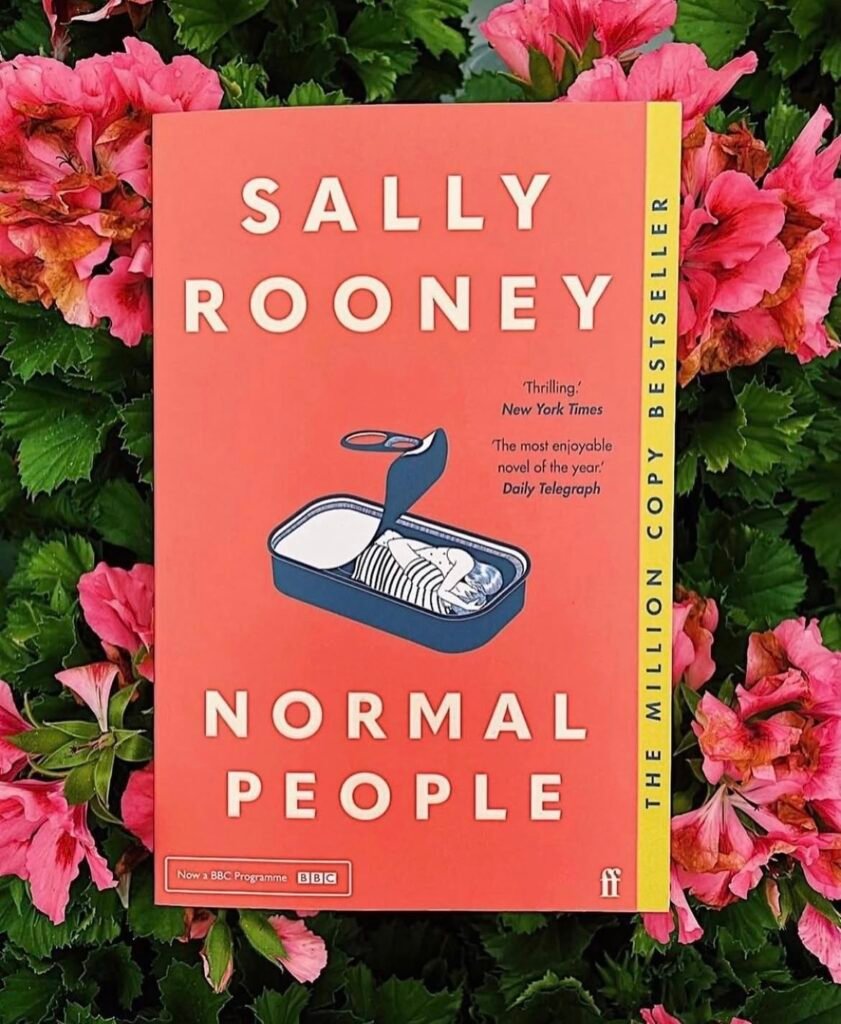
Normal People is a 2018 literary fiction novel written by Sally Rooney. It follows the complex relationship between two students from different social classes. Connell, a popular and intelligent working-class student, struggles with his mental health and low self-esteem. On the other hand, Marianne comes from a wealthy and dysfunctional family, and is a social outcast at school.
The book follows Marianne and Connell’s relationship from secondary school through to college. Throughout the novel, the two characters face a number of personal challenges, including financial hardship and family difficulties.
The novel is a popular book club choice for a number of reasons, including its distinctive writing style, complex characters, and thought-provoking themes surrounding class, social mobility, and mental health. Keep reading for a selection of thought-provoking questions for your next book club meeting!
Normal People Book Club Questions
1. How important was Marianne and Connell’s secret relationship in shaping who they became by the end of the novel? Would they have gone down different paths if their relationship had been out in the open?
Marianne and Connell share several conversations, bond over their love of literature, and eventually share a kiss. Back at school, Connell ignores Marianne, and their kiss is kept secret. A few days later, the two begin a sexual relationship, but Connell continues to distance himself from her in public.
Despite feeling a deep emotional connection with Marianne, he fears being ostracised by his peers if they discover the truth. The secret nature of their relationship creates anxiety, misunderstandings, insecurity, and repeated separations that shape both of their personal journeys.
2. Do you think the other characters fully understand the severity of Alan’s abuse toward Marianne, or do they dismiss it as “sibling rivalry”? What factors lead to Marianne accepting the abuse?
From early on in the novel, Marianne endures physical, verbal, and psychological abuse from her older brother, Alan. He even tells Marianne to commit suicide and spits in her face, acts of abuse that their mother Denise ignores. Marianne accepts the abuse, in part, because her mother has instilled in her the belief that she is “unlovable,” making her feel unworthy of respect from those around her.
3. Do you think Connell understands how much asking Rachel to the Debs hurts Marianne, or is he more focused on his own social status? How does Connell’s actions challenge the idea that he is a good person?
Despite Marianne and Connell growing closer in private and sharing intimate moments, including Connell’s confession of love, he asks Rachel to the Debs instead of Marianne. Marianne is deeply hurt by Connell’s actions, reinforcing her existing belief that she does not deserve love or respect. Her shame leads her to stay at home to study, only returning to school to sit her exams. Connell’s decision ultimately contributes to the end of their relationship.
4. How do class differences continue to influence Marianne and Connell’s relationship while studying at the same university?
Marianne and Connell both attend Trinity College Dublin, where their social positions from school are reversed. Marianne flourishes, becoming confident and popular, while Connell’s self-esteem declines as he struggles to fit in and adapt to university life. Connell suddenly finds himself surrounded by wealthy students from privileged backgrounds, while Marianne meets people who accept the traits that previously made her an outsider at school.
5. Do you think Marianne and Connell have any genuine feelings for Helen and Jamie, or are they using those relationships as a way to help themselves move on from each other?
After a miscommunication over summer living arrangements, Marianne and Connell part ways. Soon after, Marianne begins dating Jamie while Connell dates a medical student named Helen. Connell tells Marianne he’s in love with Helen, while Marianne reveals the unhealthy dynamics of her own relationship. Despite dating other people, Connell and Marianne continue to turn to each other for comfort and support, with Connell frequently defending Marianne’s opinionated nature when speaking to Helen.
6. While at university, Connell learns of his friend Rob’s suicide. Why do you think Sally Rooney included Rob’s suicide in the book? Does it connect to any of the novel’s larger themes?
While at university, Connell learns his friend from school has committed suicide, triggering a period of depression and withdrawal from others. Connell begins seeing a counsellor at the university’s mental health service. He shares with his therapist his anxiety, suicidal thoughts and feelings of isolation. He also reveals his feelings of guilt, having not responded to Rob’s last Facebook message.
7. Do you think Marianne is using her relationship with Lukas to try and understand herself better? Or is she using it to avoid parts of herself she doesn’t want to confront?
Marianne studies abroad in Sweden, where she becomes involved with a photographer named Lukas. Their friendship develops into a sexual relationship, in which Lukas verbally abuses and degrades Marianne. Marianne enters into a state of depression and experiences a disconnect from reality as the relationship progresses.
8. How does Marianne’s time in Sweden change the way she views herself?
After feeling increasingly unhappy, Marianne ends her relationship with Lukas, returns to Ireland and reunites with Connell. Marianne and Connell’s relationship becomes noticeably healthier, with both characters showing greater emotional maturity. Marianne finally confronts her abusive family, calling Connell for help when her brother attacks her, leaving her family home, and spending Christmas with the Waldron’s.
9. Do you think Connell considers studying in New York in order to grow as a person or to escape his past?
Connell focuses on his writing, submitting one of his short stories to a literary magazine At the end of the novel, Connell is accepted into an MFA creative writing programme in New York. Marianne encourages him to go, though Connell worries that he won’t cope away from home with his mental health struggles. He is also reluctant to leave Marianne behind in Dublin, knowing the distance between them will change their relationship dynamics again.
10. Which character did you prefer by the end of the book, Marianne or Connell? Did your preference change as the story progressed?
Marianne and Connell both change significantly throughout the book. Marianne’s character leaves readers divided, while some initially find her unlikeable, others admire her strong opinions and independence. By the end of the novel, she begins to recognise unhealthy patterns in her relationships and becomes better able to set boundaries with others. Connell is generally introduced as a likeable character, but he soon makes questionable decisions that hurt both Marianne and those around him. By the end of the novel, he has learned to ask for help, communicate more openly, and express his emotions instead of hiding them.
11. By the end of the book, what do you think “normal” means to Marianne and Connell? Has the meaning of the word changed?
Throughout the book, Marianne and Connell both struggle with what it means to be “normal”, believing that their inner worlds separate them from others.
Normal People is available on: Amazon
If you enjoyed this post, check out the following:
The Midnight Library Book Club Questions
The Nightingale Book Club Questions
The Seven Husbands of Evelyn Hugo Book Club Questions
Browse Categories:
Join 9,000+ other book lovers on Instagram
Follow Booked at Moonlight on Instagram for even more bookish content! Discover discounts, my current reads and TBR, exciting monthly releases, star ratings, short reviews, and fun reels!